
Vinyl or laminate flooring?
Laminate or vinyl flooring? This is a question asked by many property developers and flat owners looking for a durable and attractive floor. The choice is not straightforward, as both options have their advantages and perform well in different conditions. In this article, we will compare these two options, analysing their durability, moisture resistance, appearance, comfort of use and price.

Laminate or vinyl flooring – durability and resistance to damage
One of the most important factors to consider when choosing between vinyl and laminate flooring is their resistance to everyday wear and tear. In this respect, vinyl flooring clearly stands out. Thanks to their construction (they consist of a layer of plastic – vinyl – and a hard mineral core of natural origin), they are resistant to scratches, stains and mechanical damage. This makes them an excellent solution for heavily used rooms, such as living rooms, hallways and offices.
Laminate flooring is also resistant to abrasion; however, its surface can be damaged much more easily if it comes into contact with sharp objects or heavy items falling onto it. Furthermore, laminate is more prone to chipping at the edges and developing scratches, particularly in rooms subject to heavy wear and tear.

Vinyl or laminate flooring – moisture resistance
Flooring in rooms exposed to moisture must be highly resistant to water. When comparing ‘vinyl versus laminate flooring’, clear differences between the two products become apparent.
Thanks to their fully waterproof structure, vinyl panels do not warp when exposed to moisture, so they can be installed in kitchens or bathrooms. Their surface allows for safe wet cleaning, and spilled liquids do not cause damage.
Laminate flooring, although increasingly fitted with additional protective coatings, remains susceptible to damage from contact with water. Even small amounts of liquid can lead to warping of the floor and swelling of the edges, which affects the floor’s durability and appearance.
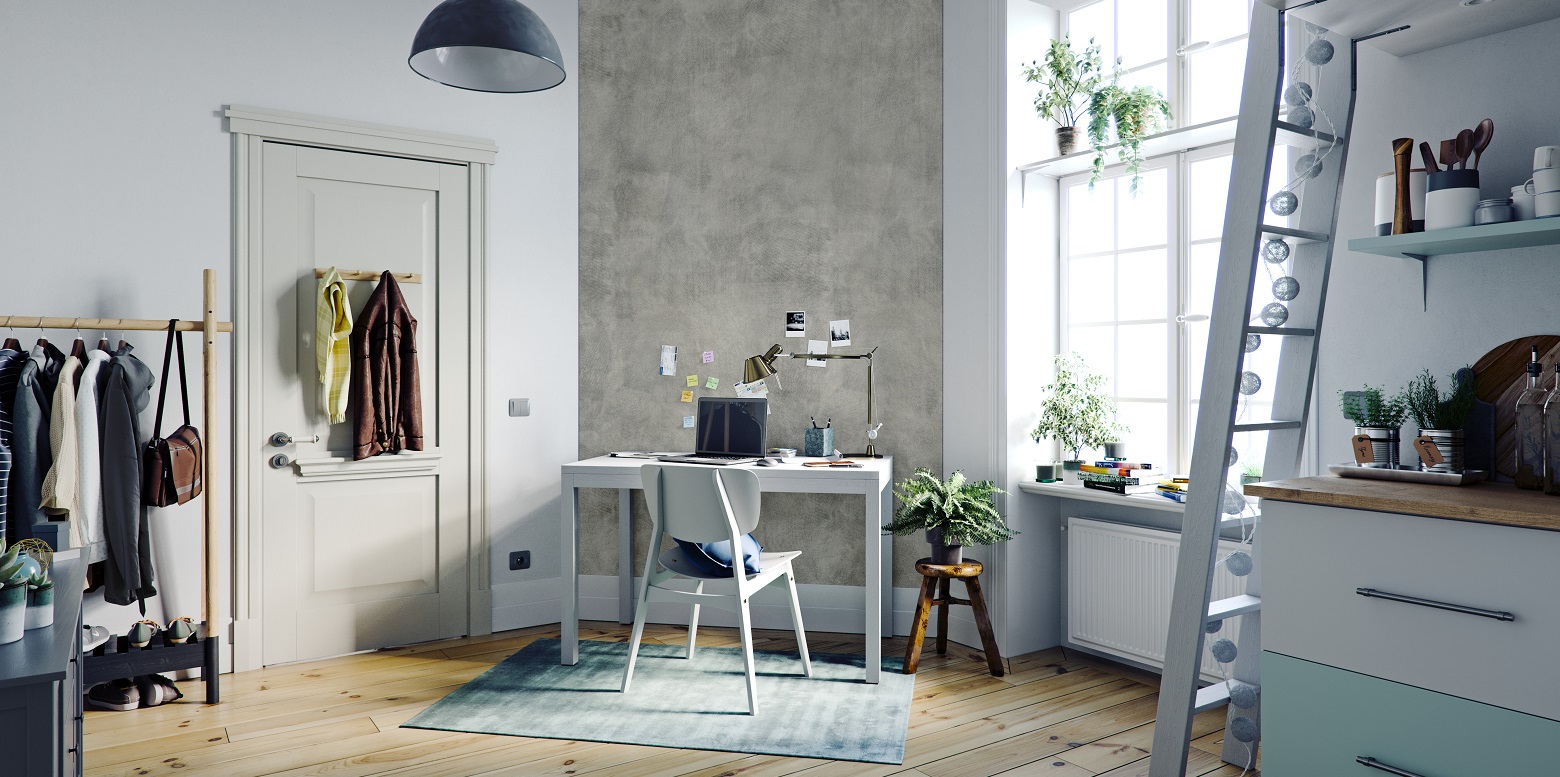
Vinyl versus laminate flooring – aesthetics and comfort of use
Laminate versus vinyl panels – how do they differ in terms of aesthetics? Both types faithfully replicate natural materials such as wood, stone or concrete, offering a wide selection of patterns and shades. An additional advantage of vinyl panels is their matt finish, which reduces light reflection, giving the surface a more authentic and elegant appearance.
In terms of comfort, laminate and vinyl panels are two completely different solutions. Vinyl panels are more flexible and softer to the touch, making them more comfortable to walk on. Furthermore, they provide excellent sound insulation, making them a great choice for flats in blocks of flats or houses where noise reduction is a priority. They are also warmer than laminate flooring, which translates into greater comfort of use.
Laminate versus vinyl flooring – cost and value for money
When comparing the costs of both options, it is worth considering not only the purchase price but also durability, resistance to damage and any potential repair costs. Vinyl flooring is usually more expensive than laminate, but its water resistance, high scratch resistance and longer lifespan mean that, in the long run, it proves to be a more cost-effective choice.
Laminate flooring, on the other hand, is a more budget-friendly option; however, its greater susceptibility to moisture and mechanical damage may mean it needs to be replaced sooner. In dry and less frequently used rooms, such as bedrooms, it may nevertheless prove to be a good choice, combining aesthetics with an affordable price.
Summary
If you’re still considering whether to choose laminate or vinyl flooring, here’s a brief summary:
- in rooms exposed to moisture, such as the kitchen or bathroom, vinyl flooring is definitely the better option;
- for high-traffic areas where scratch resistance and durability are key, vinyl is also the better choice,
- if you’re looking for a realistic wood-effect finish and a more traditional look, you might want to consider both types of flooring,
- for flats in blocks of flats, where noise reduction is important, vinyl floor panels will be the better choice thanks to their acoustic properties.
Regardless of the type of flooring you choose, it is always worth ensuring the right finish. To maximise the floor’s durability and comfort, we recommend underlays for vinyl panels and skirting boards. A renowned manufacturer of vinyl panels invites you to place your orders.