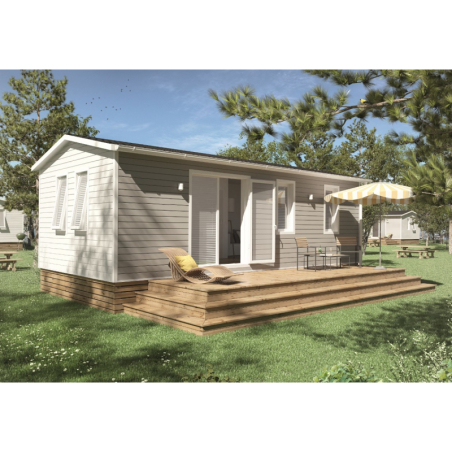
Grey façade cladding and building architecture
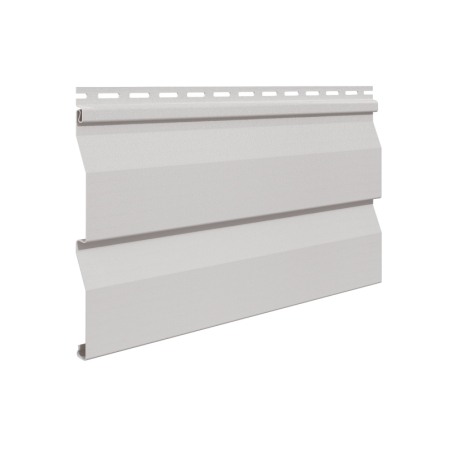
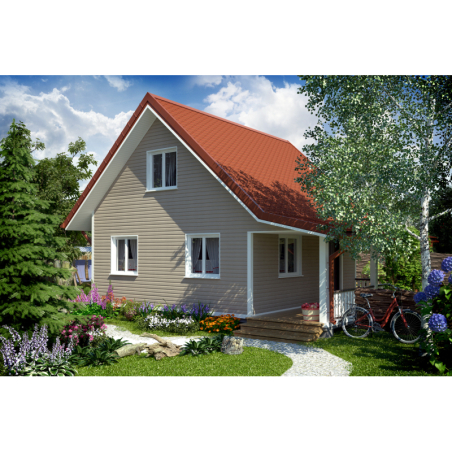
In façade architecture, grey acts as a neutral backdrop that emphasises the building’s proportions and structural details. Grey façade cladding blends well with white, black, wood and metal elements, allowing for a wide range of applications in modern, minimalist and more classical designs. The colour grey does not dominate the building’s form, but lends it an orderly and cohesive character.
From a practical point of view, grey façades are also less prone to showing dirt. Dust, water streaks after rainfall or atmospheric deposits are not as visible as they are on very light-coloured surfaces, which means the façade retains its aesthetic appearance for longer without the need for frequent maintenance.
Durability and resistance of façade cladding
Facade cladding intended for external use must meet high technical requirements. Grey facade cladding is characterised by its resistance to moisture, frost, UV radiation and fluctuating temperatures. As a result, the facade retains its dimensional stability, does not crack and does not discolour when exposed to the elements.
An additional function of façade cladding is to protect the building’s walls. The cladding acts as a barrier, shielding the structure from the direct effects of external conditions, which helps to preserve the durability of the entire building and reduces the need for future renovation work.
Functionality and ease of use
One of the main reasons for the popularity of façade cladding is its low maintenance requirements. Unlike traditional plastered or timber façades, grey façade cladding does not require regular painting or impregnation. Keeping the façade in good condition is limited to periodic cleaning, which significantly reduces the building’s running costs.
The modular nature of the cladding also ensures adequate ventilation of the façade, which is important for the durability of the materials and the comfort of the building’s occupants, particularly in variable climatic conditions.
The key advantages of grey façade cladding
Grey façade cladding is chosen not only for its aesthetic appeal, but also for its specific functional properties, which are important for the long-term use of the building:
- resistance to moisture, frost and changing weather conditions,
- colour stability during prolonged exposure to UV radiation,
- dirt is less visible on the façade surface,
- no need for regular painting or waterproofing,
- the ability to create cohesive façade systems,
- a versatile appearance suited to various architectural styles.
Grey façade cladding in a cohesive finishing system
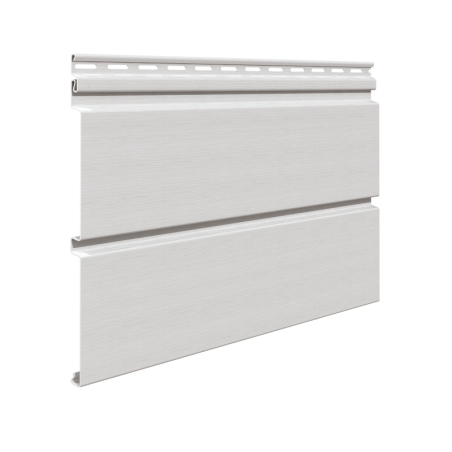
A façade is not just the panels themselves, but an entire finishing system that should form a unified whole. Vilo’s range includes solutions that ensure the visual and technical consistency of the façade. The manufacturer of wall cladding offers modern façade cladding in a range of colours, as well as functional roof soffits that provide an aesthetically pleasing finish to the eaves area and complement the appearance of the entire building. This approach helps to avoid haphazard combinations of materials and maintains the stylistic consistency of the façade.
Grey façade cladding – a conscious choice for years to come
By opting for grey façade cladding, you are choosing a solution that is durable, aesthetically pleasing and stands the test of time. The neutral colour scheme ensures the façade remains timeless regardless of changing trends, whilst the robust construction of the panels guarantees protection for the building and visual stability for many years of use.
Grey façade cladding is ideal for those seeking a durable, low-maintenance façade that complements a variety of architectural styles. Carefully selected cladding enhances the building’s appearance, protects its structure and maintains the visual coherence of the entire façade. It is a solution that combines functionality with a timeless look and ease of use.